
Why Slow Travel Is the New Luxury for Tired Travelers
You know the moment. Day four of a trip, and you’re already tired in a way that has nothing to do with sleep.
You’ve seen the landmark. You’ve taken the photo. You’ve eaten at the place everyone recommended. And somehow you feel like you need a vacation from your vacation.
That feeling has a name now. Slow travel. A quiet decision to stop moving so fast, nothing more complicated than that.
The shift nobody planned
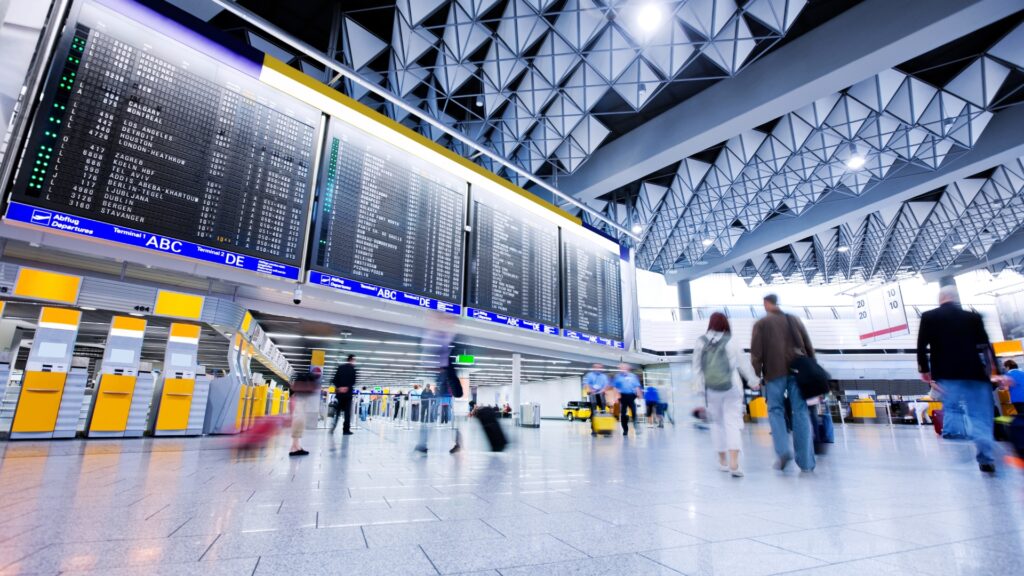
For years, a good trip meant a full itinerary. More cities, more stamps, more proof you’d made the most of it.
That math is breaking down. A recent Vrbo survey found that 91% of travelers now say they want slower, simpler trips built around rest and real connection to a place. That’s the majority of travelers.
Ask why, and the answer is rarely poetic. People are tired. Work followed them into their last three vacations through a phone that never stopped buzzing. The four-city, ten-day itinerary that looked efficient on paper felt like a second job by day six.
Slow travel is the correction. Fewer places. Longer stays. Room to actually be somewhere instead of just passing through it.
What slow travel actually looks like
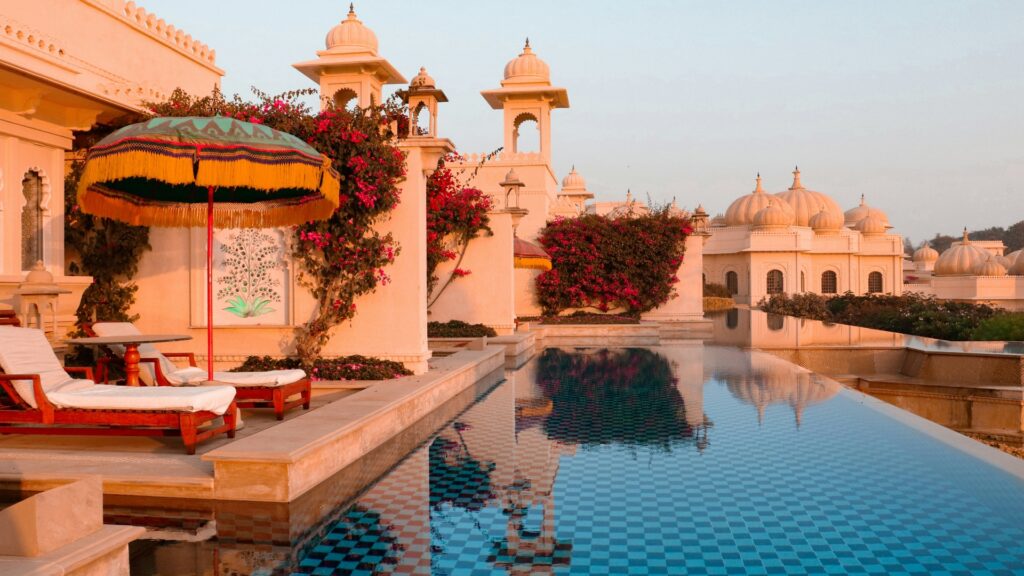
Here’s where people get it wrong. Slow travel doesn’t mean doing less. It means doing less at once.
A slow travel week in Lisbon isn’t a week with nothing planned. It’s a week where you pick one neighborhood, walk it enough times that the bakery owner starts having your order ready before you ask, and let the rest of the city wait.
You notice things you’d otherwise miss entirely. The old man who sets up the same folding chair outside his shop every morning at eight. The Tuesday market that disappears by Thursday, like it was never there. The way the light on your street changes between your first morning and your last.
None of that happens if you’re catching a train to the next city in eighteen hours.
The trip that changes the argument
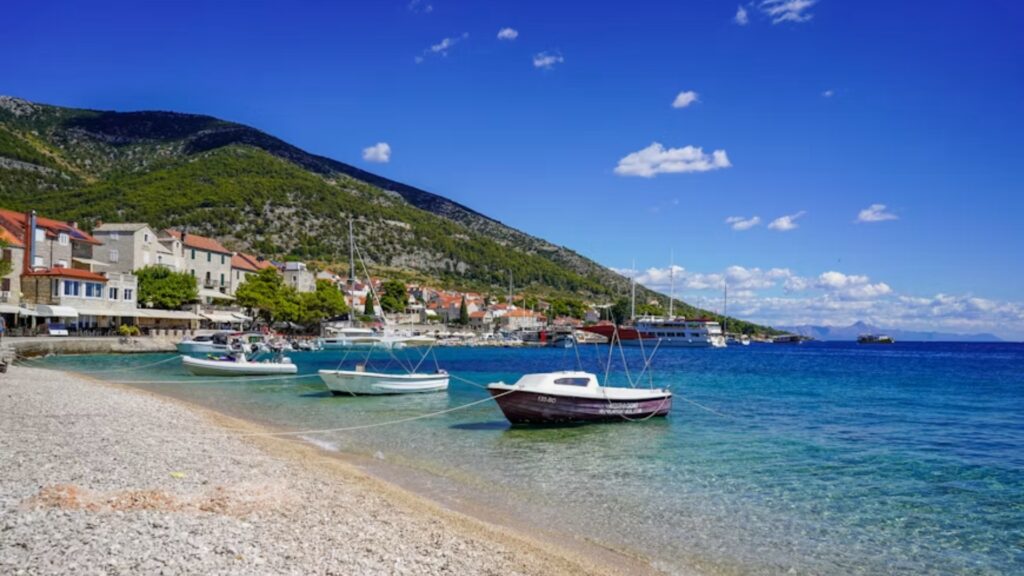
A friend of mine spent three weeks in Puerto Rico last year. Original plan: island-hop through six stops in fourteen days. Flights got cancelled. Plans fell apart. She ended up stuck in one small town near the coast for the whole three weeks instead.
She still talks about that trip more than any other she’s taken. The town itself was fairly ordinary. What mattered was the three weeks, not three days, to actually live in it. She learned the bus schedule. She had a stall at the market that saved her the good mangoes. She knew which afternoon the power usually flickered and planned around it without thinking twice.
Her broken itinerary ended up making the whole argument for slow travel: depth beats coverage, almost every time.
Why this feels harder than it should
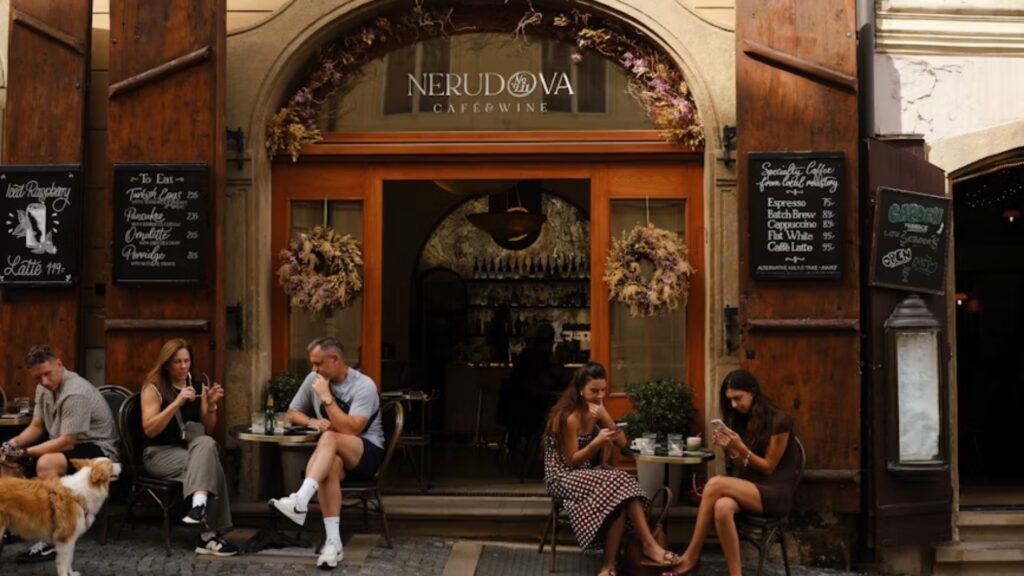
Slow travel sounds simple. In practice, most people struggle with it for one reason: guilt.
There’s a real discomfort in sitting at a café for two hours doing nothing when you flew somewhere expensive to be there. It feels like waste. Like you’re not using the trip right.
But using a place well and using it fast aren’t the same thing. A morning with no plan, spent watching a neighborhood wake up, isn’t wasted time. It’s often the only part of the trip you actually remember clearly a year later.
The other common mistake is picking the wrong destination for it. Slow travel doesn’t suit every place equally. A city built for constant movement, like a theme-park destination designed around queues and timed entries, resists slowing down. Places that reward it tend to have a daily rhythm you can join: a market day, a closing time, a routine that repeats. The Chica Travelista has covered a few of these destinations in more detail, from small Greek islands to quieter corners of the Caribbean, if you want a place to start.
Who slow travel actually suits?
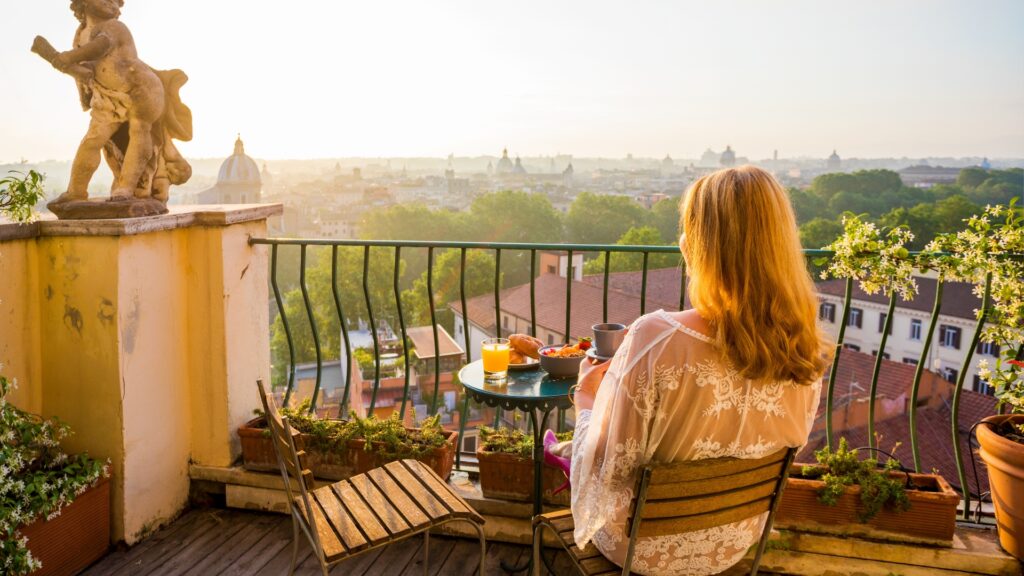
This isn’t for everyone. That’s fine.
If you have five days and want to see as much of a country as physically possible, slow travel will frustrate you. That’s a different kind of trip, and there’s nothing wrong with it.
Slow travel suits people who are tired in the specific way modern life makes people tired. Constantly reachable. Constantly scheduled. It suits longer trips more than short ones, since a weekend rarely gives a place time to become familiar. And it suits people who are more interested in how a place feels day to day than in checking it off a list.
How to actually do it

The practical version is less complicated than it sounds.
Pick one base instead of three. Stay long enough that the walk from your door to the nearest coffee stops feeling like navigation and starts feeling like routine, usually four or five days minimum. Leave real gaps in each day rather than filling every hour before you land. And resist the urge to fill a quiet afternoon just because it’s quiet.
The itinerary gets shorter. What you remember gets longer.
A quieter kind of trip
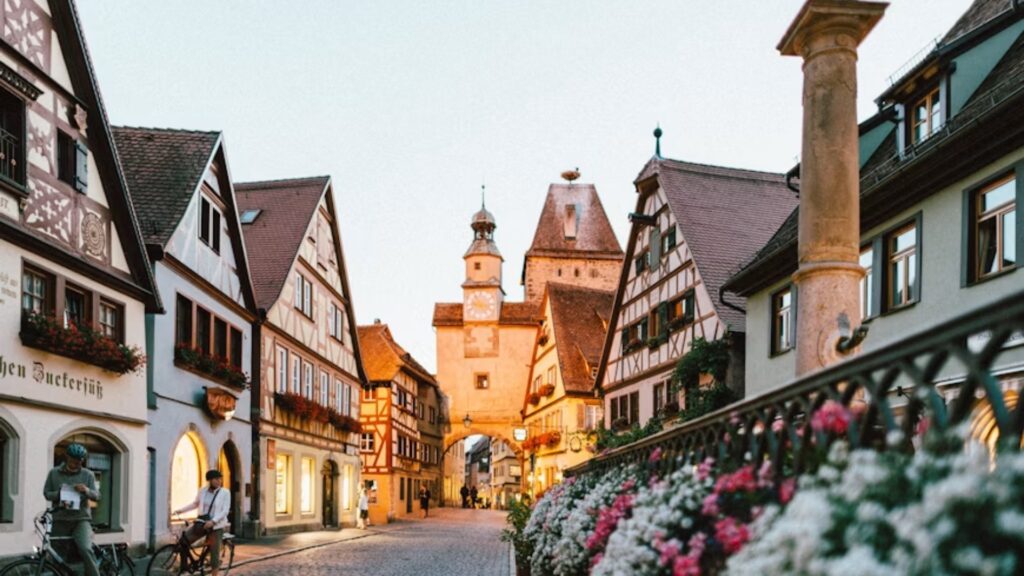
Somewhere between a decade of full itineraries and a dozen browser tabs of “top ten things to do,” a lot of travelers arrived at the same conclusion at almost the same time. Moving less means noticing more.
Slow travel won’t get you more stamps in a passport. It might get you a bakery that remembers your order, a bus schedule you know without checking, a street that stops feeling unfamiliar by the third morning.
Sometimes travelling less is what lets you experience a place fully.
FAQs
What is slow travel, exactly? Slow travel means spending longer in fewer places instead of packing several destinations into one trip. The focus shifts from covering ground to settling into a routine, however brief, in one location.
Is slow travel more expensive than a regular trip? Usually less. Fewer flights and transfers, longer stays that often qualify for weekly rates, and more cooking or local eating instead of tourist-priced meals near major attractions all bring the daily cost down.
How many days do you need for slow travel to work? Most people start noticing the shift around day four or five in one place, once the initial unfamiliarity wears off. Anything under four days in a single location tends to feel like a regular short trip, not a slow one.
Does slow travel mean having no plans at all? No. It means fewer plans, with real space between them. A slow travel day might have one thing on the agenda instead of five, leaving room for the parts of a trip that can’t be scheduled.
What kind of destinations work best for slow travel? Places with a visible daily or weekly rhythm work best: a regular market day, a walkable center, a routine locals actually follow. Destinations built around packed schedules and timed entries tend to resist the slower pace.