
The 2026 Bucket List: 7 Destinations You Need to See Before the World Changes
These places are more extraordinary than ever and more time-sensitive than you think.
There is a version of the bucket list that lives on your phone, collecting screenshots and saved posts. Then there is the version that becomes a boarding pass.
The difference between them is not motivation. It is knowing why now.
Right now, in 2026, some of the most breathtaking destinations on the planet are sitting at a rare intersection of “still accessible” and “not for much longer.” The Northern Lights are blazing at once-in-a-generation intensity. Antarctica is tightening its visitor caps. The Galapagos just doubled its entry fees. And the private conservancies of Africa are filling up faster than ever.
Here is a destination-by-destination breakdown of what awaits you and why waiting any longer might mean missing it.
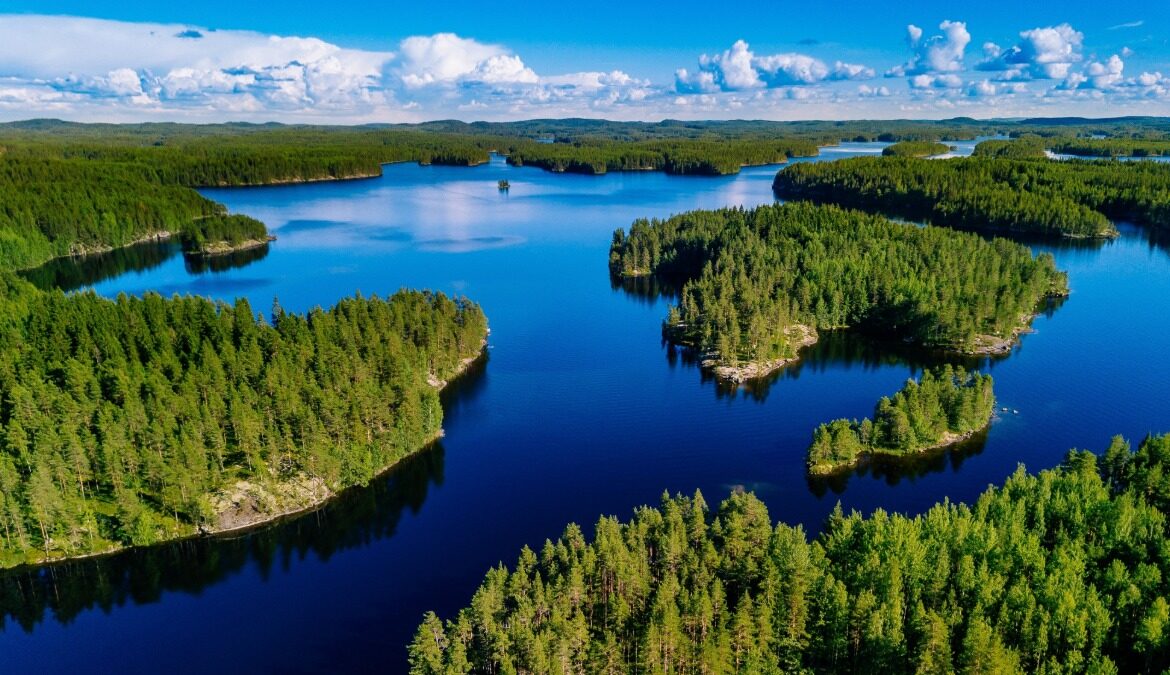
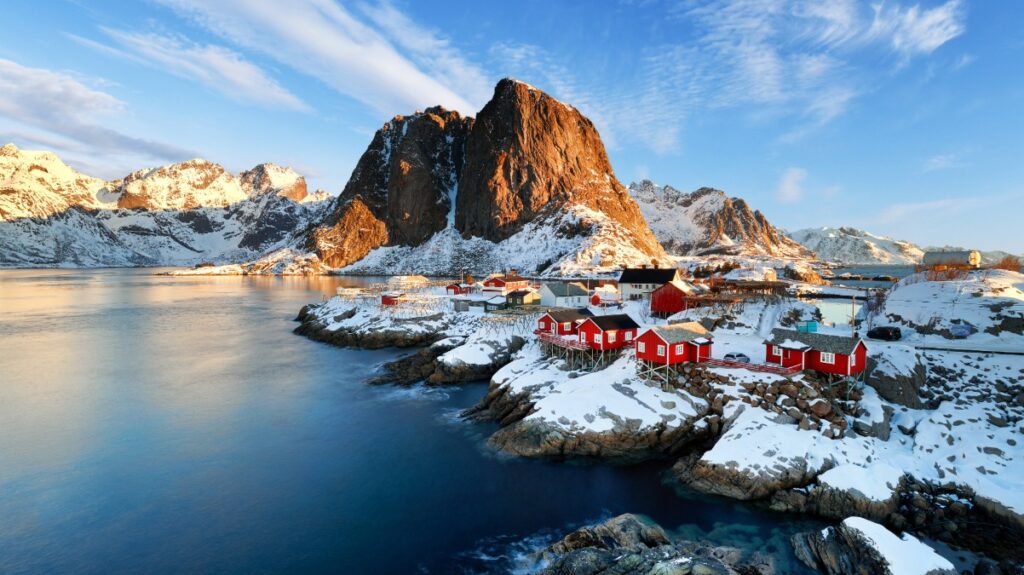
1. Norway & Finland: The Northern Lights Are Having Their Biggest Moment in a Decade
Let me start with the genuinely cosmic one.
The sun runs on an 11-year cycle of magnetic activity. Right now, we are at “Solar Maximum” inside Solar Cycle 25, a period scientists originally predicted would be mild. It has been anything but. More solar flares, more coronal mass ejections, and aurora displays so intense they have been spotted as far south as the United States.
The result? Some of the most vivid Northern Lights in living memory.
Here is the catch: this peak plateaus through early 2026 and then begins a slow, multi-year decline. The next comparable window is the mid-2030s.
Where to go: Norway’s Tromsø is the gold standard, with electric fjord tours, reindeer encounters, and small-group aurora chases designed for serious sky watchers. Finland’s Sápmi region adds a cultural layer through heated glass igloos and immersive experiences with the indigenous Sami people.
Best timing: February and March. There is enough darkness to see the lights clearly, and the “equinox effect,” a seasonal shift in Earth’s magnetic field, produces more frequent, more intense storms even when solar activity is not at its absolute peak.
Autumn (September and October) is also worth exploring for milder temperatures and the magical bonus of aurora reflections on still lakes.
The window is open. It will not stay that way.
2. Antarctica: The Last Continent Is Getting Harder to Reach
Antarctica has always been the ultimate “someday” destination. The problem with someday is that access to it is quietly shrinking.
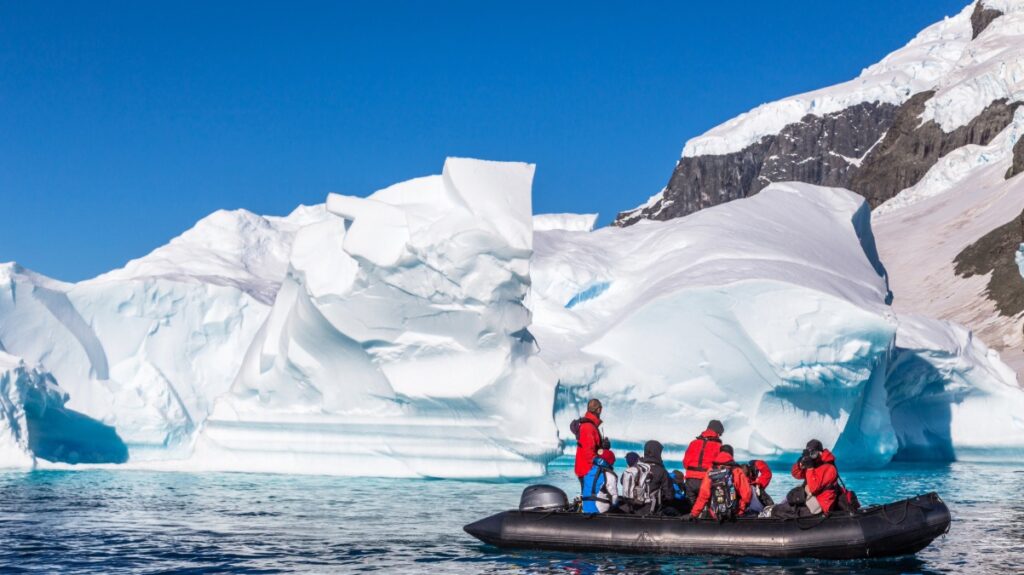
The 2023-2024 season set a record with over 122,000 visitors. The industry responded not with more ships, but with smaller ones. The shift toward lower-capacity expedition vessels means fewer passengers per landing, tighter availability, and a more curated experience. That is great news for the trip itself, but less great news for anyone still procrastinating.
A classic 10 to 12-day Antarctic Peninsula voyage starts around $6,000 USD for a shared cabin and crosses $20,000 for a luxury suite on a modern expedition ship. For the full experience, the Ross Sea, the continental interior, and the sheer scale of the seventh continent expect journeys of up to 34 days that can exceed $50,000 per person.
What makes it worth it: Wildlife that has never learned to fear humans. Leopard seals hauled out on ice floes. Thousands of penguins are going about their business while you stand in the middle of it. Glaciers the size of cities. A silence so complete it changes how you think about noise.
Expedition brands like Hapag-Lloyd have expanded their Antarctic fleets. At the same time, smaller operators like Ponant have pulled back capacity, a sign that the industry is moving toward intimate, high-value experiences over volume.
Book early. This one fills up.
3. The Galapagos Islands: Where Wildlife Has No Fear of You
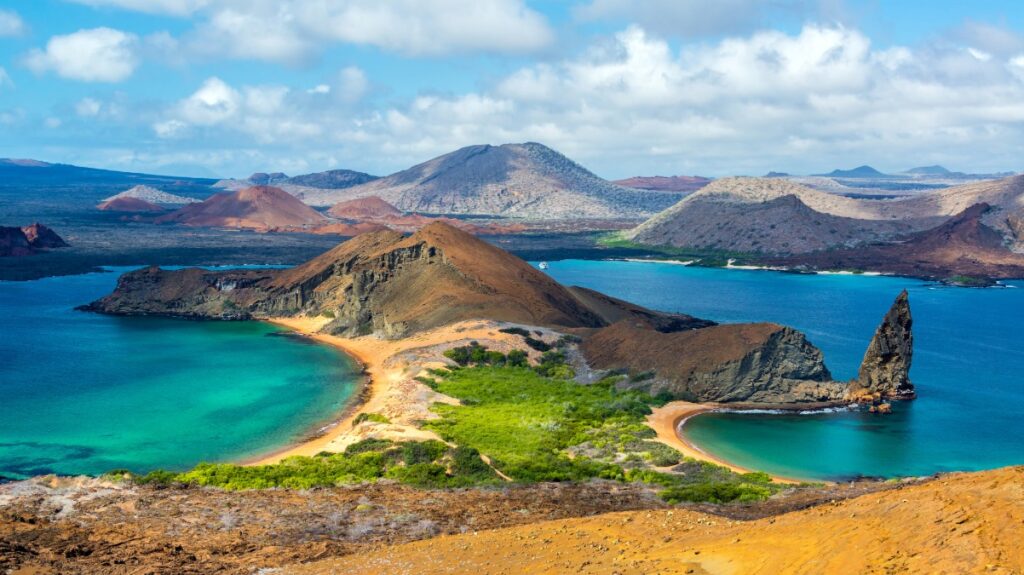
Six hundred miles off the coast of Ecuador, the Galapagos Islands contain some of the most fearless wildlife on Earth. Marine iguanas that ignore you completely. Blue-footed boobies that will walk right up and investigate your shoes. Giant tortoises moving through a volcanic landscape like prehistoric royalty.
The Ecuadorian government recently doubled the entry fee for foreign visitors to $200 USD. That is a signal. These islands are actively protected, and access will only become more structured over time.
Land-based vs. liveaboard: If you are serious about wildlife, go liveaboard. Small ships with a 10:1 guest-to-guide ratio can access remote islands like Genovesa and Fernandina that larger vessels simply cannot reach. The wildlife density on these outer islands is extraordinary.
Best months: February for giant tortoises laying eggs and the clearest skies of the year. September through October for nutrient-rich currents that draw whales and dolphins in impressive numbers.
Want to make the trip work harder? A growing trend pairs the Galapagos with an Amazon extension, 10 days of volcanic marine life, followed by jungle nights tracking caimans. Starting at $7,790 USD, it is two ecosystems, one adventure.
4. Madagascar: The Most Biodiverse Place You Have Never Visited
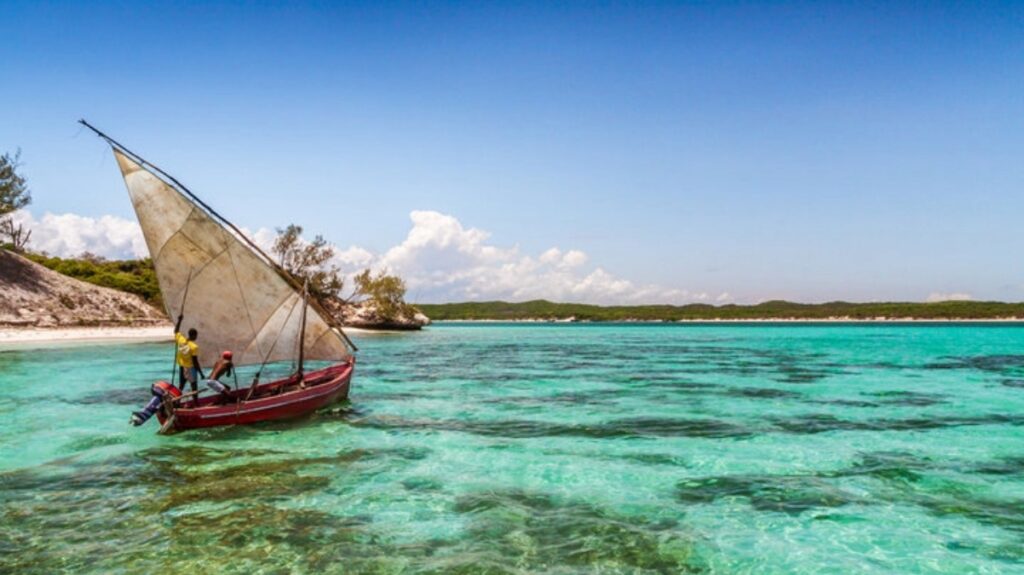
Ninety percent of Madagascar’s 250,000 animal species exist nowhere else on Earth. Not in other parts of Africa. Not anywhere. Just here, on this one island in the Indian Ocean.
That level of endemism is staggering. A luxury expedition in Madagascar typically runs 14 to 15 days, with costs between $7,500 and $8,800 USD per person. Unlike the ocean-focused Galapagos, Madagascar is an overland adventure, with private 4x4s and charter flights connecting wildly different ecosystems.
Don’t miss: The rainforests of Andasibe, where the Indri lemur produces a call that sounds like something between a whale song and a foghorn at dawn. And the surreal spiny forests of the southwest, which look like a landscape from another planet.
This is not a destination that makes headlines the way Kenya or Peru does. That is exactly why it still feels raw, uncrowded, and completely its own thing.
5. Kenya & Tanzania: The Great Migration Is Still the Greatest Show on Earth
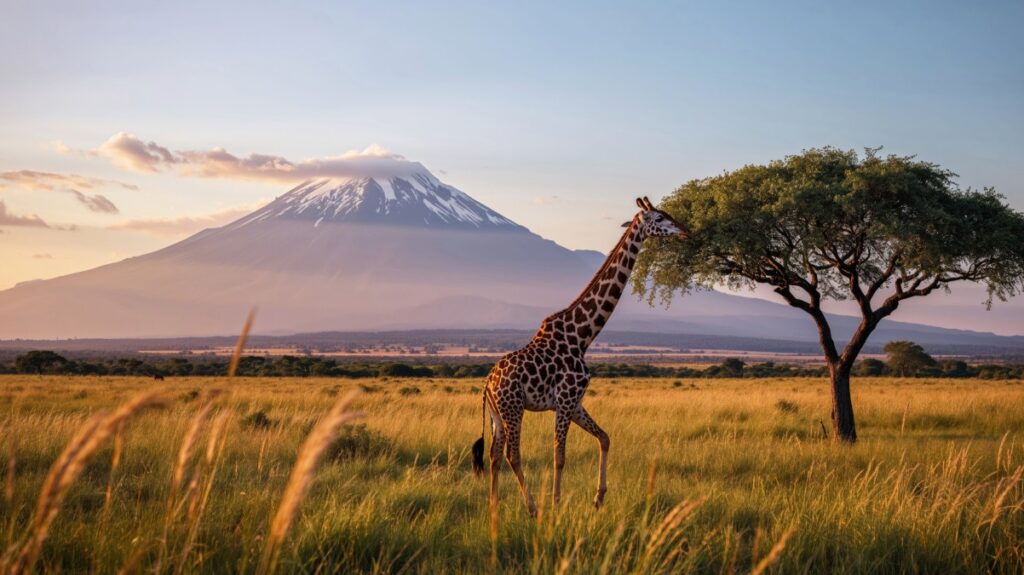
Over a million wildebeest. Hundreds of thousands of zebras. Crocodiles wait at river crossings with the patience of creatures that have been doing this for millions of years.
The Great Migration across the Serengeti-Mara ecosystem is not just a wildlife event. It is a visceral reminder of how much wildness still exists in the world.
The shift happening in 2026 is away from crowded national park game drives and toward private conservancy reserves where vehicle numbers at any one sighting are capped, night drives are permitted, and you can spend two hours following a leopard through the grass without a traffic jam of other jeeps doing the same thing.
What luxury looks like here: Lodges like Angama Mara and Singita have redefined what a safari camp can be. Rates at Angama Mara are $1,850 per person per night during the standard season, rising to $2,750 during the peak migration months of July through September. That includes accommodation, private vehicles, guides, meals, and a mandatory conservation contribution to the Angama Foundation.
Is that expensive? Yes. Is it worth it? Ask anyone who has watched the sun go down over the Mara from a private camp while a lion calls in the distance.
6. Peru: Machu Picchu Before the Crowds Get Worse
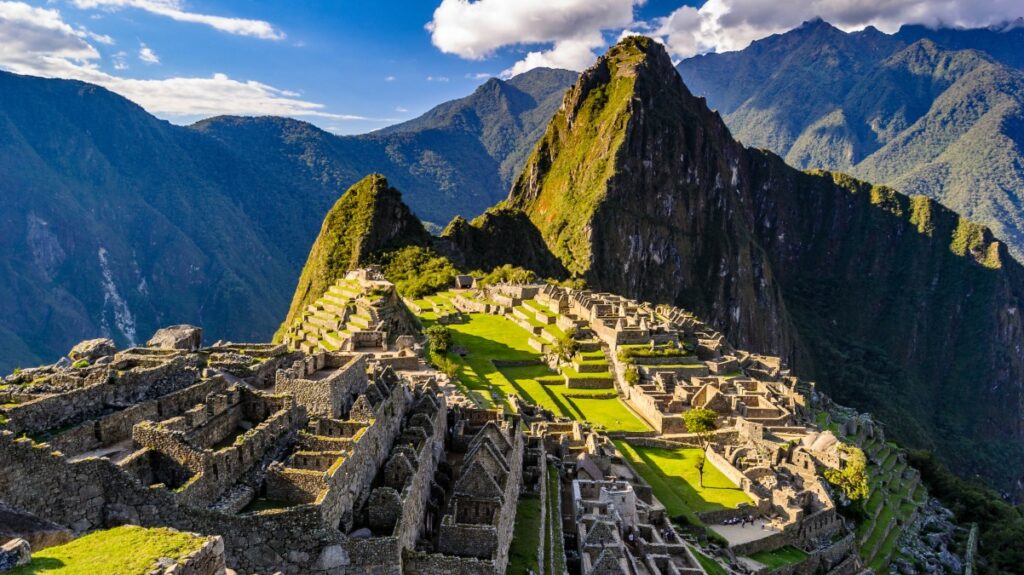
Machu Picchu sees over a million visitors a year. Inca Trail permits sell out three to six months in advance. Huayna Picchu hike slots disappear just as fast.
And yet it remains one of the most emotionally powerful places I can point to. The city appears out of the clouds. The stone work is impossible. The scale of the Andean landscape around it makes you feel very small in the best way.
The luxury route: The Belmond Hiram Bingham train costs $800 to $950 USD round-trip and includes gourmet dining and live entertainment on the journey up. The Belmond Sanctuary Lodge at the citadel entrance charges $800 to $1,200 per night and grants exclusive early-morning access to the site before the day crowds arrive.
That quiet morning hour at Machu Picchu, mist in the valleys, with almost no other visitors, is worth every penny of the planning required to get there.
Pro tip: Book as soon as they open. Do not assume availability will be there when you are ready.
7. Europe’s Hidden Trails: Slow Down and Actually See It
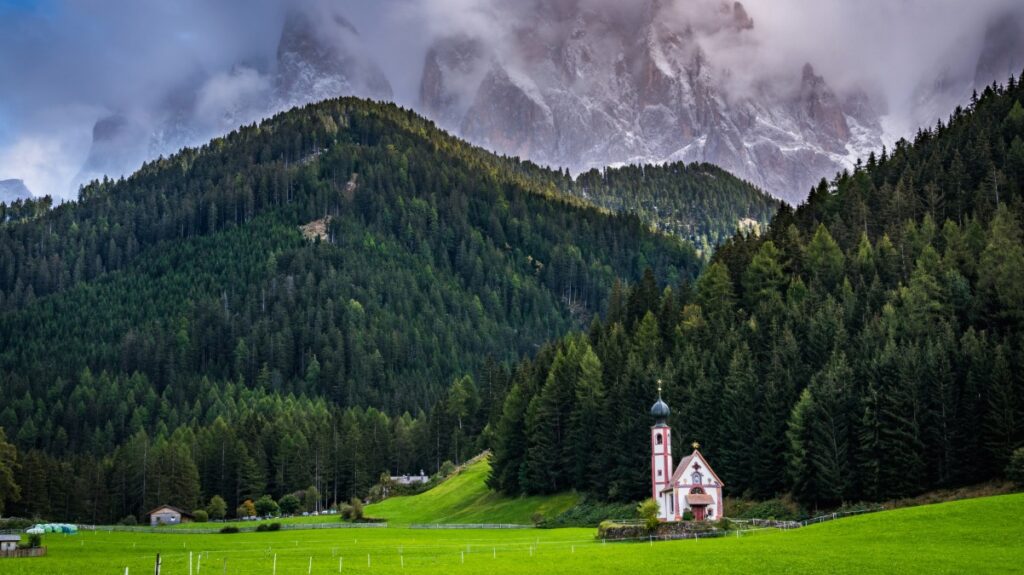
Not every bucket list experience is a once-in-a-generation phenomenon or a remote wilderness. Sometimes it is a coastal trail in Portugal where you walk for a week and talk to almost no one.
The “slow tourism” movement is reshaping how people experience Europe. Long-distance trails and cycling routes that prioritize connection with local communities over rapid sightseeing. Slovenia’s outdoor adventure circuit. Greece’s Menalon Trail through the Peloponnese mountains. The Tour du Mont Blanc through France and Italy is now available in guided versions for first-timers.
Why now: 2025 and 2026 bring specific cultural reasons to visit. Austria is celebrating the 200th anniversary of Johann Strauss with year-long festivities, concerts, exhibitions, and themed cycling routes along the Danube. England is marking the 250th anniversary of Jane Austen in Hampshire. These are the kinds of living cultural moments that give a trip a narrative spine.
Portugal’s Rota Vicentina, a 143-mile Fishermen’s Trail along the wild southwestern coast, remains one of Europe’s most underrated walks. Rugged cliffs. Atlantic wind. Fishing villages that have not changed much in decades.
Sometimes the extraordinary is closer than you think.
The Destinations Are Waiting. Let’s Make It Happen.
Every destination on this list has something in common: the best version of the experience is available right now, and the window is narrowing.
The Northern Lights will dim. Antarctica will tighten access further. The Galapagos will manage its numbers more aggressively. The private conservancies in Kenya will fill their calendars. Inca Trail permits will continue to disappear faster every year.
At The Chica Travelista, we plan these trips every day. We are a Phoenix-based travel agency that specializes in turning bucket-list dreams into real itineraries with permits, timing, the right lodges, and no guesswork.
If one of these destinations is calling your name, let’s talk. The best trips do not happen by accident. They happen because someone decided to stop saving the idea and start booking the flight.
Ready to go? Reach out to The Chica Travelista, and let’s build your 2026 bucket-list trip together.