
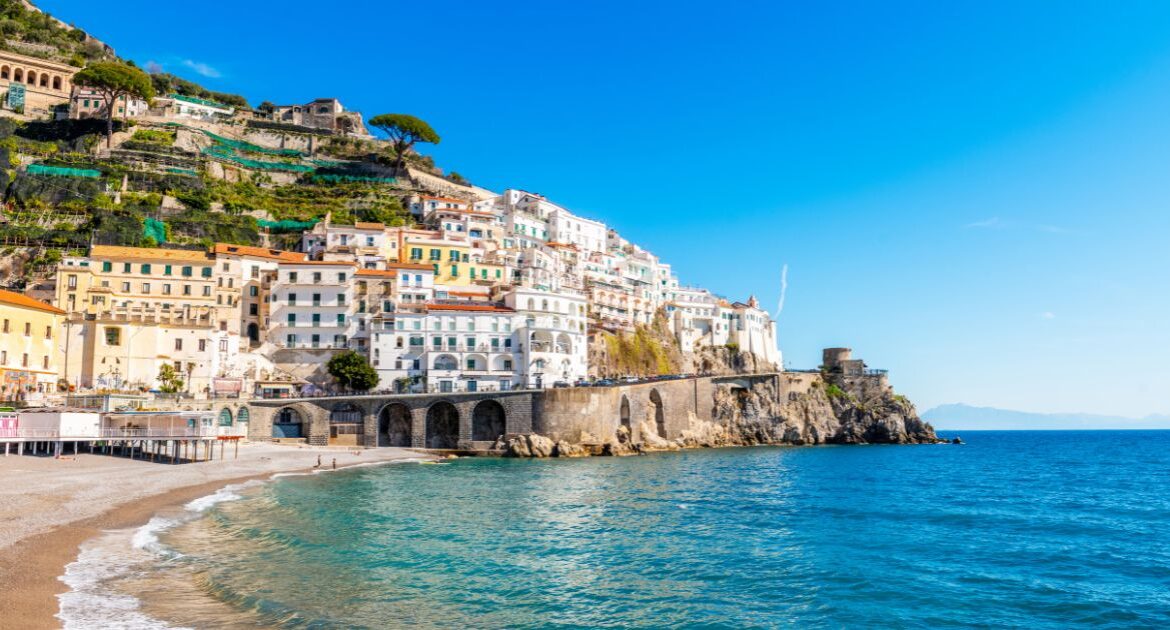
Best Places to Travel in July 2026: 4 Destinations Worth the Flight
If you’re planning a July trip and want something beyond the obvious, you’re in the right place. July 2026 lines up some genuinely rare timing across four destinations: lavender fields at full peak in northern Japan, the Serengeti’s Great Migration in full swing, icebergs and whales colliding in Newfoundland, and the Amalfi Coast doing exactly what it was built to do. Each one of these works specifically because of July. Come a month earlier or a month later and you’d be chasing a different, less dramatic version of the same place.
Below is a breakdown of why each destination hits in July, what you’ll actually experience on the ground, and what to plan around.
In this article
- Hokkaido, Japan: lavender, volcanoes, and no humidity
- Amalfi Coast, Italy: lemon gardens and warm sea
- Serengeti, Tanzania: the Great Migration crossing window
- Newfoundland, Canada: icebergs, whales, and puffins at once
- Quick comparison: which one is right for you?
- FAQ
Why Hokkaido, Japan is worth the detour in July 2026
Most people picture Japan as a spring destination. Cherry blossoms, Kyoto, that whole thing. But Hokkaido in July is a completely different experience, and honestly one of my favorites to recommend right now because people keep sleeping on it.
While the rest of Japan is dealing with serious heat and humidity, Hokkaido sits at around 22-24°C in July. It’s comfortable enough to hike for hours without feeling like you’re melting. Daisetsuzan National Park, the largest national park in Japan, has trails that cut through volcanic terrain with almost no crowds compared to the southern islands.
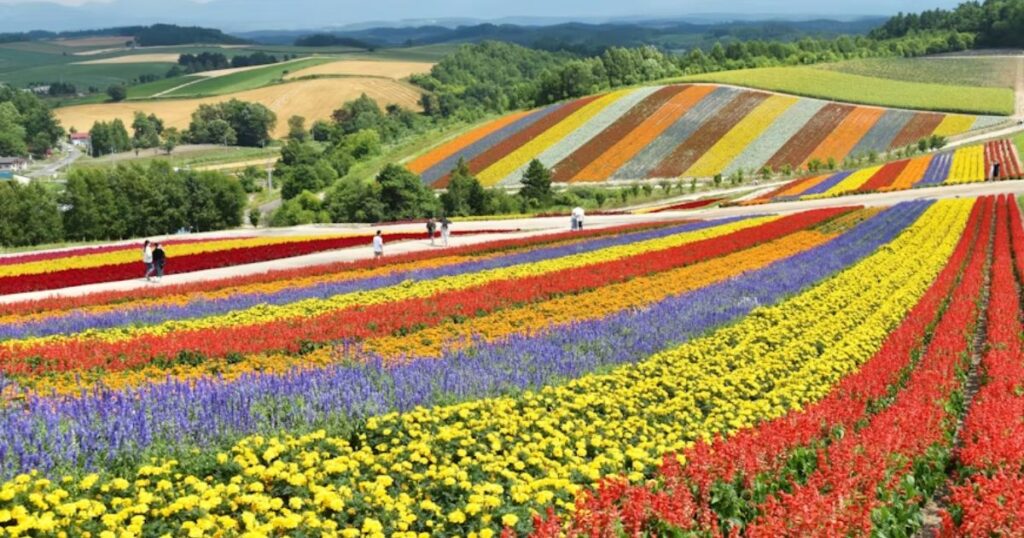
The real pull though is Furano. July is peak lavender bloom, and the fields there are legitimately stunning. There’s a reason photographers from all over Japan make the trip specifically in July. The Farm Tomita lavender rows are the most photographed, but the surrounding valleys have smaller farms that are far less packed.

Sapporo is your base. Great food, easy airport access, and about 90 minutes by express train to Furano. Fresh crab and lamb barbecue (Jingisukan) are the two local things you absolutely have to eat while you’re there.
What to know before you go:
- Book Furano accommodation 4 to 5 months out. The town fills up fast in July.
- Daisetsuzan trail conditions vary after heavy rain. Check the Japan Meteorological Agency site before hiking.
- The lavender bloom typically peaks in the second and third week of July.
Why the Amalfi Coast, Italy hits differently in July
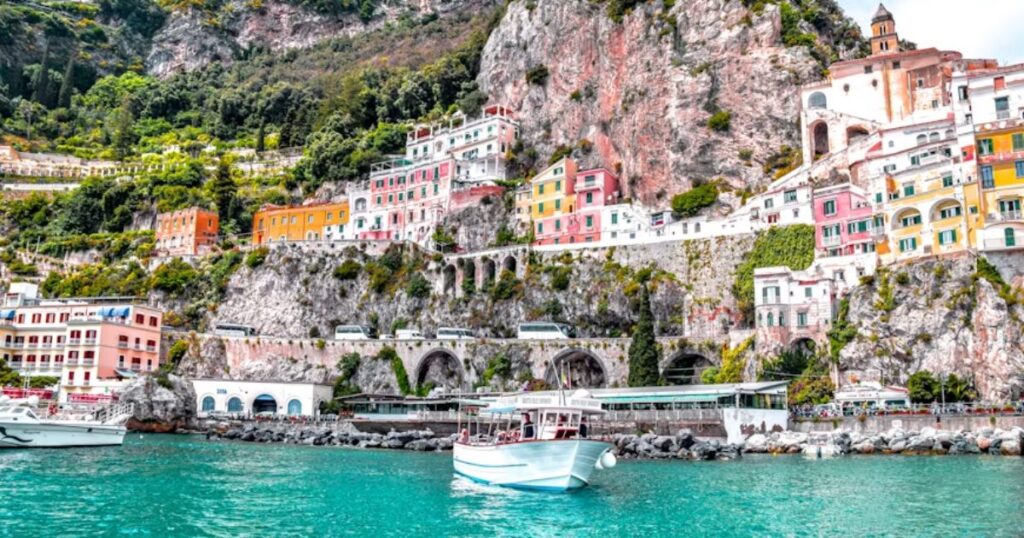
Yes, July is peak tourist season. Yes, it’s busy. But the Amalfi Coast in July earns every bit of its reputation, and if you go in knowing what to expect, it’s hard to argue with.
The Tyrrhenian Sea temperature reaches around 24-25°C in July, which is ideal for boat trips, swimming off rocky coves, and the kind of lazy afternoon anchored in a small bay that you’ll be thinking about for years. The terraced hillsides are green, the lemon gardens above Ravello and Positano are loaded with fruit, and the light at golden hour is absurd.
The Path of the Gods (Sentiero degli Dei) is the hike you should not skip. It runs about 7.8 km along the ridge above the coast between Agerola and Nocelle, and the views down to the water are some of the best in Europe. Start early, before 8am, to avoid both the heat and the crowd buildup.

Skip renting a car if you can. The coastal road is genuinely stressful and parking is a nightmare. Use the ferry between towns instead. It’s cheaper, faster between most points, and the approach to Positano from the water is the image you came for.
What to know before you go:
- Hotels book out in March for July. If you haven’t booked yet, look at Praiano as an alternative base. Quieter, cheaper, still on the coast.
- Avoid driving the SS163 coastal road on weekends in July if possible.
- Book the Path of the Gods morning slot. The afternoon heat makes it a much less enjoyable hike.
Why July 2026 is the best time to see the Serengeti’s Great Migration
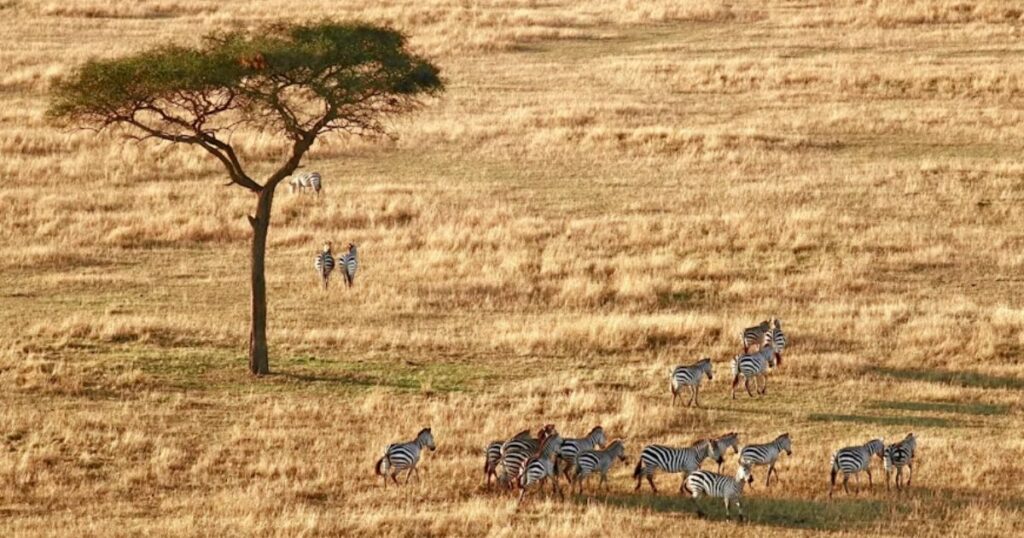
The Great Migration happens year-round across the Serengeti-Masai Mara ecosystem, but July is when it gets dramatic. Around 1.5 to 2 million wildebeest, plus several hundred thousand zebras and gazelles, move in a continuous clockwise loop following rain and fresh grass. By July, the herds have pushed into the northern Serengeti and are crossing the Grumeti River.
The crossings are what people come for. Crocodiles wait in the river. The herds bunch up on the banks, nervous and loud, sometimes for hours before the first animal commits to crossing. Then the rest follow and it becomes total chaos in the water. It’s one of those wildlife moments where you’re watching something genuinely ancient and unchanged.
The dry season also means lower grass and denser wildlife concentration around water sources. General game viewing (lions, elephants, cheetahs, leopards) is excellent in July for exactly this reason.
What to know before you go:
- River crossings can’t be scheduled. You position yourself near a likely crossing point and wait. Half-day waits are common and completely normal.
- The northern Serengeti (Kogatende area) is where you want to be in July. Central Serengeti camps are cheaper but you’ll be driving 2 to 3 hours to reach the action.
- Budget safaris exist, but the best crossing spots require private vehicles. Shared vehicles on group tours often can’t hold position long enough at the riverbank.
Why Newfoundland, Canada in July is one of the most underrated trips on earth
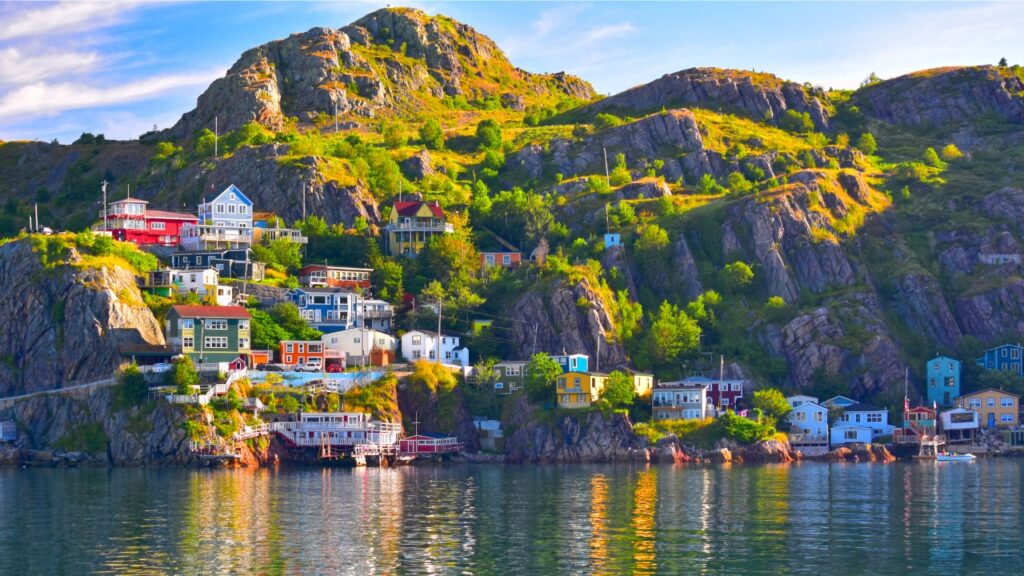
I’ll be direct: Newfoundland in July is one of the most genuinely surprising destinations I’ve come across in recent years. Three completely separate natural phenomena overlap in this one short window, and most people outside Canada have no idea it exists as a travel destination.
Icebergs calve off glaciers in Greenland and Labrador and drift south along what locals call Iceberg Alley, the stretch of coast between St. Anthony in the north and St. John’s in the south. By July, the biggest ones are still visible but the dangerous spring pack ice is gone, making boat access much safer. You can get close enough on a Zodiac to hear the ice groaning.
At the same time, thousands of humpback whales feed in the same offshore waters. They’re here because of the capelin, a small fish that schools in massive numbers along the coast in early summer. Whale sightings on boat tours in July are extremely reliable.
The Witless Bay Ecological Reserve, about 30 km south of St. John’s, is one of the largest Atlantic puffin colonies in North America. Around 2.5 to 3 million seabirds nest there. Evening boat tours give you a front-row seat to puffins returning to their burrows with fish.
St. John’s itself is worth two or three days. It’s a proper, lived-in city with excellent restaurants, a music scene, and brightly colored row houses on streets that run straight up from the harbor. It does not feel like a tourist town. That’s the point.
What to know before you go:
- Weather is variable. Fog rolls in fast. Pack layers even in July.
- Rent a car. Public transport is minimal and the best iceberg and puffin spots require driving coastal roads.
- Iceberg sightings peak June through early July. Book boat tours in advance and go early in the trip, in case you need a backup day due to fog.
Which July 2026 destination is right for you?
| Destination | Best for | Budget range (7 nights) | Crowd level in July | Must-book in advance |
|---|---|---|---|---|
| Hokkaido, Japan | Nature, photography, hiking, food | $2,500 to $4,500 | Moderate (outside Tokyo) | Furano accommodation |
| Amalfi Coast, Italy | Coastal scenery, beaches, food and wine | $3,500 to $7,000+ | High | Hotels (often sold out by April) |
| Serengeti, Tanzania | Wildlife, once-in-a-lifetime experience | $5,000 to $12,000+ | Low to moderate | Camp and vehicle bookings |
| Newfoundland, Canada | Nature, wildlife, off-the-beaten-path | $2,000 to $4,000 | Low | Whale and puffin boat tours |
Budget figures are rough estimates for accommodation, flights from North America, and basic activities. Serengeti costs vary significantly depending on whether you stay in budget camps or private lodges.
Want help planning any of these trips?
I work with travelers one-on-one to put together itineraries that actually fit your schedule, your budget, and how you like to travel. No generic packages.Work with Amanda →
Travelista Travels. Real trips, real planning.
Frequently asked questions
What is the best travel destination for July 2026?
It depends on what you want. For wildlife, the Serengeti’s Great Migration in July is arguably the most dramatic natural event on the planet. For scenery and relaxation, the Amalfi Coast is hard to beat. For something fewer people talk about, Newfoundland’s combination of icebergs, humpbacks, and puffins in a single trip is genuinely rare. Hokkaido works best for people who want nature, hiking, and excellent food without fighting crowds.
Is July a good time to visit Japan?
For most of Japan, July means heat and humidity. Hokkaido is the exception. The northern island sits between 20 and 24°C in July, making it one of the most comfortable places in Japan during peak summer. July is also when Furano’s lavender hits full bloom, which is the main reason to go.
When exactly does the Great Migration cross the Grumeti River?
The Grumeti River crossings typically happen between June and July, but there’s no fixed date. The herds move based on grass and rainfall patterns. July is historically the most reliable month to position yourself for a crossing, particularly in the Kogatende area of the northern Serengeti.
How long do icebergs last in Newfoundland?
Iceberg sightings in Newfoundland peak from May to June, with some large bergs still visible into early July. By mid to late July most of the ice has melted or drifted past. If icebergs are your primary reason for going, aim for late June or the first two weeks of July. Whale and puffin sightings remain strong through all of July.
Is the Amalfi Coast worth visiting in July despite the crowds?
Yes, with realistic expectations. The crowds are real, especially in Positano and Ravello. But the sea is warm, the light is extraordinary, and a boat trip between towns gives you a version of the coast most visitors miss. The Path of the Gods hike is the best reason to go, and it’s at its most spectacular in July’s clear weather.