
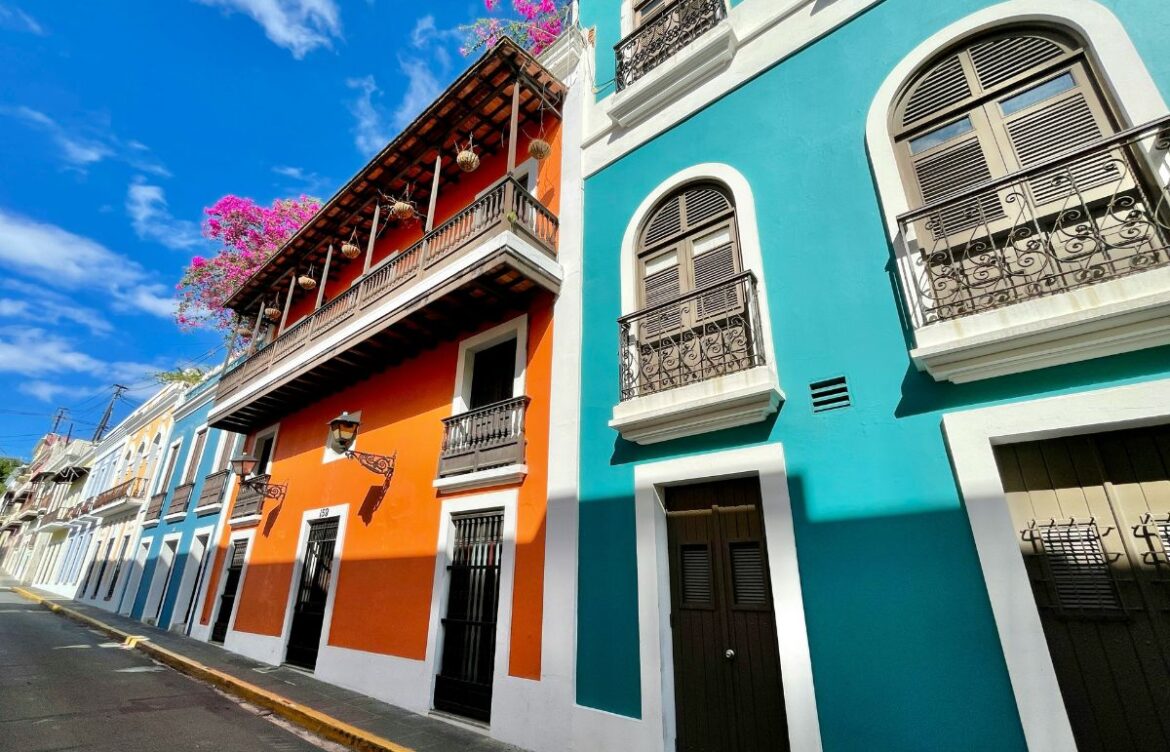
Puerto Rico Road Trip Itinerary: 7 Days, Every Coast, No Regrets
TL;DR: This 7-day Puerto Rico road trip covers Old San Juan, El Yunque, Ponce, Cabo Rojo, and Rincón. No passport required. No currency exchange. One rental car, one transponder, and a stomach that’s ready to work.
Why Puerto Rico Makes Sense Right Now
Puerto Rico had 6.6 million passenger arrivals at Luis Muñoz Marín International Airport in 2024, an 8% increase over the previous year, according to Discover Puerto Rico’s research update. The island recorded nearly 7.9 million booked room nights that same year.
Those numbers matter to you for one reason: the island is popular, but not yet oversaturated. You can still have a beach in Cabo Rojo largely to yourself on a Tuesday morning.
The other reason Puerto Rico works for American travelers is logistics. US citizens don’t need a passport. You use dollars. English is widely spoken. Your domestic frequent flyer miles apply. The Federal Aviation Administration and consumer protection rules apply here the same way they do in Florida. You get the Caribbean without the administrative overhead.
One honest caveat: Puerto Rico prices are close to US mainland prices. The dollar goes about as far here as it does in Miami. If your goal is a cheap Caribbean trip, look at other islands. If your goal is a logistically easy, culturally rich trip with great food and varied terrain, Puerto Rico is the right call.
Before You Go: Rental Cars and the AutoExpreso Toll System
Rent a car. You need it. Uber works fine in San Juan, but the moment you want to see El Yunque, Ponce, Cabo Rojo, or Rincón, you need your own vehicle.
The one thing most visitors don’t know before they land: Puerto Rico uses a fully automated electronic toll system called AutoExpreso. Cash toll booths are essentially gone. Highways 22, 52, and 66 all require an active transponder.
When you pick up your rental car, accept the AutoExpreso tag. Rental companies charge roughly $4.50 to $11.00 per day, and it covers unlimited tolls. Skip it and you’ll face administrative penalties plus the rental company’s convenience fees on top. The per-toll rate runs between $0.75 and $5.00, but the fees for non-payment are a multiple of that.
A few other driving notes:
- Rush hour in San Juan is serious. 6–9 AM inbound, 4–7 PM outbound. A 45-minute drive becomes 3 hours.
- Drivers here are fast and blinker use is optional, culturally speaking. Drive defensively.
- Driving is on the right, same as the mainland. BAC limit is 0.08.
Day 1 and 2: Old San Juan and Loíza
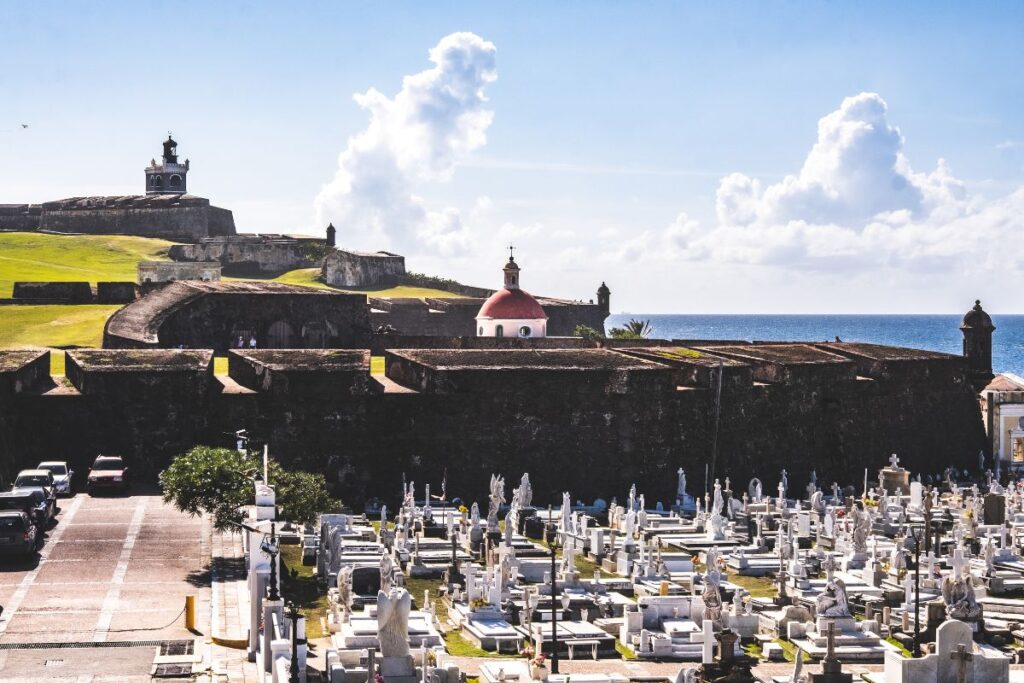
What should I do in Old San Juan?
Old San Juan is a 7-square-block historic district with blue cobblestone streets, pastel buildings, and two Spanish military forts that date back to the 16th century. Castillo San Felipe del Morro and Castillo de San Cristóbal are both National Historic Sites managed by the National Park Service, and entry is free.
Walk the city walls. Go early, before the cruise ship passengers arrive around 10 AM. The view from El Morro at sunrise, with the Atlantic on one side and San Juan Bay on the other, is worth the 6 AM alarm.
Eat at Taberna de Lúpulo for cubano sandwiches and passionfruit cocktails. It’s a short walk from El Morro and it’s one of those places where the food is better than the Instagram photos make it look.
What is there to do in Loíza?
Loíza is about 30 minutes east of Old San Juan and it’s the center of Afro-Puerto Rican culture on the island. Enslaved Africans were brought to this area starting in the late 1400s, and their influence on the island’s music, food, and religious traditions is permanent and specific.
Go for the Bomba. This is a traditional Puerto Rican music and dance form with direct African roots. The Escuela de Bomba y Plena Don Rafael Cepeda runs workshops. El Buren de Lula does Afro-Puerto Rican food worth the trip alone.
Most itineraries skip Loíza. That’s your gap.
Day 3: El Yunque and Luquillo Beach
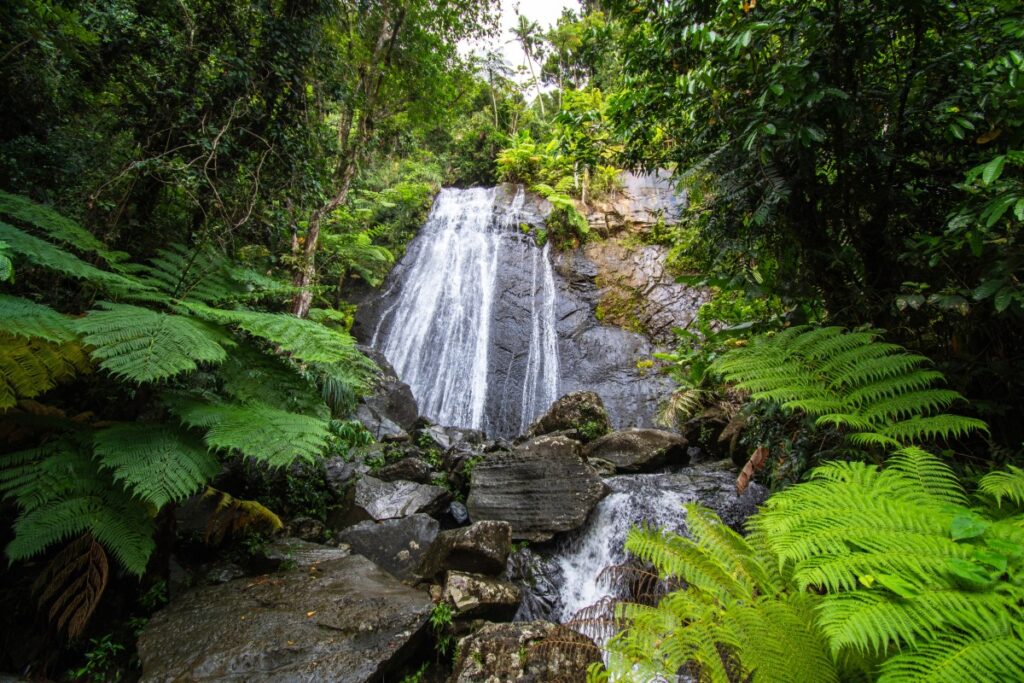
Do you need a reservation for El Yunque?
Yes. El Yunque National Forest requires advance reservations for timed entry, and they sell out. Book before you leave home at recreation.gov. This is the only tropical rainforest in the US National Forest System, so the reservation system exists to protect it, not to frustrate you.
What to do once you’re in: La Coca Waterfall is easy and accessible from the main road. The Yokahú Observation Tower gives you a panoramic view of the entire canopy. If you’re with kids or want a gentler hike, the Angelito Trail is a 15–20 minute walk to natural swimming pools with rope swings.
For a private guide who handles transportation, entry fees, and timing, agencies like Adventours PR run custom half-day excursions that are worth the cost if you’d rather not manage logistics yourself.
Is Luquillo Beach good?
Luquillo is 15 minutes from El Yunque and one of the calmest beaches on the island. Combine your rainforest morning with an afternoon here. The real draw is Los Kioskos, a strip of roughly 50 food vendors, bars, and snack stands about 50 feet off the water. Get alcapurrias and cold Medalla beer.
Day 4: Ponce and the Southern Coast
Is Ponce worth visiting in Puerto Rico?
Ponce is Puerto Rico’s second-largest city and it looks nothing like San Juan. The architecture is different (neoclassical and Creole-style buildings), the pace is slower, and the crowds are smaller. The Museo de Arte de Ponce has one of the best art collections in the Caribbean. The Parque de Bombas, a candy-striped firehouse from 1883 that’s now a museum, is genuinely strange and worth 20 minutes.
Walk the Paseo Tablado de Guancha along the waterfront in the evening.
From Ponce, drive west toward Guánica and the Guánica State Forest, a UNESCO-designated dry forest reserve. It’s the ecological opposite of El Yunque: arid, low, and quiet. Boat tours to Gilligan’s Cay (Cayo Aurora) leave from Guánica. The water is clear and shallow and good for snorkeling. This is where you slow down.
Day 5: La Ruta del Lechón
What is La Ruta del Lechón?
La Ruta del Lechón is Puerto Rico Highway 184, a winding mountain road through the municipality of Cayey, specifically the Guavate sector. It’s lined with open-air restaurants called lechoneras that specialize in whole-roasted pig.
The pork, called lechón asado, is marinated in garlic, oregano, black pepper, and achiote oil, then slow-roasted over charcoal for up to 8 hours. The method traces back to the Taíno practice of barbacoa. According to Atlas Obscura’s guide to La Ruta del Lechón, the cooking technique and the culture around it have been continuous here for generations.
The carver at each spot (the “machete master”) chops the meat tableside. You want the crispy skin. Ask for it.
What should I order at a lechonera?
Order these alongside the pork:
- Arroz con gandules (rice with pigeon peas)
- Mofongo (mashed fried plantains)
- Tostones
- Morcilla (blood sausage)
- Longaniza (spiced sausage)
Wash it down with cold Medalla or fresh Piña Colada. Spend $20–30 and leave full.
Best spots: Lechonera Los Pinos and El Rancho Original are both well-regarded. Discover Puerto Rico’s guide to Guavate lists them along with less-crowded alternatives like Doctor Lechón.
The culture here is called chinchorreo: you move from one kiosk to another with friends, eating, drinking, and listening to live salsa. Go on a Saturday or Sunday when the lechoneras are at full volume.
Day 6: Cabo Rojo and the Pink Salt Flats
What are the Cabo Rojo salt flats?
The Salinas de Cabo Rojo are active salt pans and a National Wildlife Refuge on the southwestern tip of the island. The water runs pink because of a specific algae that thrives in high-salinity conditions. It’s not a filter. It’s real.
From the salt flats, walk 10 minutes to Faro Los Morrillos, a lighthouse on limestone cliffs above the Caribbean. Below it is La Playuela (also called Playa Sucia), a wide white-sand beach with almost no infrastructure and almost no crowds. Bring your own water and snacks.
This is the best beach on the island that most visitors miss.
What about Playa Negra in Maunabo?
If you drive around the southeastern corner of the island on your way back toward San Juan (adding roughly 2 hours), Maunabo’s Playa Negra is a black sand beach with no tourist development. It’s specific, unusual, and quiet. Worth it if you have time.
Day 7: Rincón
Is Rincón good for surfing?
Rincón is where serious Caribbean surfing happens. The town sits on the northwest corner of the island and faces swells that come directly across the Atlantic. Domes Beach and Maria’s Beach are the main breaks.
Beginner surf lessons run $85–115 per person for 1.5–2 hours, certified instructors on the beach. Discover Puerto Rico lists Rincón surf schools with in-water coaching at both beaches.
If you don’t surf, you’re still here for sunset. Rincón sunsets face the open ocean and they’re consistently the best on the island.
Stay one night, eat at a beachside spot, and fly home from San Juan the next morning. It’s a 2.5-hour drive back east, so leave by 7 AM if your flight is before noon.
The Bioluminescent Bays: Which One to Book and When
Which bioluminescent bay in Puerto Rico is best?
Puerto Rico has 3 of the world’s 5 consistently glowing bioluminescent bays. They’re different enough that the “best” one depends on what you want.
| Bay | Location | How to Access | What Makes It Different |
|---|---|---|---|
| Mosquito Bay | Vieques (ferry or flight required) | Kayak only | Guinness-certified brightest in the world; no light pollution after Hurricane Maria recovery |
| Laguna Grande | Fajardo (under 1 hour from San Juan) | Kayak only, through mangrove tunnels | Most accessible; dark channels add atmosphere |
| La Parguera | Lajas, Southwest | Motorized boat or kayak; swimming allowed | Only bay where you can legally swim in the glow |
The glow comes from microscopic organisms called Pyrodinium bahamense (dinoflagellates). When the water is disturbed, they emit bursts of blue-green light. Discover Puerto Rico’s bioluminescent bay guide explains the science and lists licensed tour operators for each location.
Critical logistics:
- Go during a new moon. Moonlight washes out the glow. Full moon nights are a waste.
- Don’t apply sunscreen, bug spray, or lotion before getting in the water. These chemicals kill the organisms.
- Book 3–4 weeks ahead for peak season (December–April).
If you’re staying in San Juan and want the easiest option, Laguna Grande in Fajardo is the call. If Mosquito Bay is on your list, build a night on Vieques into the itinerary. The ferry from Ceiba takes about an hour and the schedule is unpredictable, so private charters are worth considering.
Where to Stay: Three Budget Levels
Budget ($): Guesthouses in Old San Juan and Condado run $80–140/night. Look for properties on AirBnB in Santurce for local neighborhoods with easy food access.
Mid-range ($$): La Concha Resort in San Juan and Copamarina Beach Resort in Guánica ($200–350/night) are both solid. Copamarina is strategically placed for La Parguera bio bay and Gilligan’s Cay.
Luxury ($$$): Hotel El Convento in Old San Juan (colonial building, central location), Condado Vanderbilt for beachfront San Juan, or St. Regis Bahia Beach in Fajardo if you want resort access near Laguna Grande. Expect $400–800/night.
On Vieques: Hix Island House runs solar-powered lofts with outdoor showers. It’s eco-minimalist and close to Mosquito Bay. Prices are mid-to-high range but the access to the bay at night is worth it.
Best Time to Visit
The short answer: mid-December through April.
Rainfall is lowest, temperatures stay in the low-to-mid 80s (°F), and humidity is manageable. This is also peak season, so prices are higher and popular spots book up faster.
May through July is shoulder season: prices drop, crowds thin, and the weather is still mostly good. Rain increases but typically comes in short afternoon bursts.
August through November is hurricane season. Puerto Rico sits in a high-risk zone. Travel insurance is not optional if you’re going during this window.
According to Discover Puerto Rico’s weather data, average temperatures year-round stay between 77°F and 88°F. The island doesn’t have dramatic seasons, which is part of the appeal.
FAQ
Do I need a passport to visit Puerto Rico? US citizens don’t need a passport. Puerto Rico is a US territory. A valid government-issued ID (driver’s license) is sufficient for domestic flights. Non-US citizens follow standard US entry requirements.
Is it safe to drive around Puerto Rico? Yes, with caveats. The roads are maintained and the rules match US standards. Local driving is aggressive by mainland standards. Avoid San Juan highways during rush hour and don’t skip the AutoExpreso rental add-on. Cell service is good enough for maps on most major routes.
How much does a 7-day Puerto Rico trip cost? Budget roughly $150–200/day per person for a mid-range trip including accommodation, food, car rental, and 2–3 paid excursions. Bioluminescent bay kayak tours run $45–65 per person. The Culebra catamaran day trip runs around $185 per person. Budget travelers can do it for $100/day with guesthouse stays and mostly local food.
Can you do Puerto Rico without a rental car? You can do San Juan without one. You can’t see El Yunque, Cabo Rojo, La Ruta del Lechón, or Rincón without one. Don’t attempt the full island road trip on Uber.
Plan This Trip With Us
The Travelista Travels agency books custom Puerto Rico itineraries, including private guides, bio bay timing coordination, and package rates that aren’t available through OTAs. Book a consultation here or call 631-885-2014.
Author: Amanda | The Chica Travelista
About the author: Amanda is a travel writer and agency founder based in New York who has been covering Caribbean destinations since 2018. She runs Travelista Travels, a full-service travel agency with first-hand expertise in Puerto Rico trip planning.
Related posts: